FTC Disclosure: If you make a purchase via a link on this site, I may receive a small commission on the transaction - at no added cost to you - this is my side job to being a mom and it helps to support our family, so I greatly appreciate it!
My Keys to Unlocking the Mystery of
Cloth Diapering
Cloth diapering can be confusing to anyone new to the process. There are so many different style of cloth diapers, as well as different brands, and washing and storing methods, not to mention the fact that all diapers fit babies differently so what works for one person may not work for you.
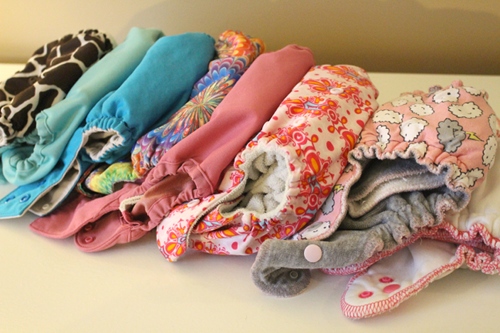
There are some major benefits to choosing cloth over the more traditional disposable diapers.
1. The biggest and most important reason is the sense of security you have in knowing you are not putting anything dangerous near your baby. Almost every mom in the world does everything in her power to ensure she never allows anything of harm near her baby, and most people just don't realize how dangerous diapers can be.
Disposable diapers are loaded with extremely harmful chemicals; so much so that I'm curious as to how it's legal. Even the cloth diapers that aren't organic are going to be better for your baby than letting him come into contact with the chemicals in disposable diapers.
2. They are much more environmentally friendly than disposable diapers. There are ____ million tons of disposable diapers added to trash heaps every year. While cloth diapers do require you to use water to wash them, they still use ____ less energy than disposables.
3. Cloth diapering is cheaper than using disposables. I know this might sound insane considering some cloth diapers cost $20 each, but over the course of the three years your baby will wear diapers, you will spend less if you cloth diaper.
4. The new cloth options are so incredibly cute! When you put them on your baby, it's just as good as an adorable onesie, or better.
5. I've heard some moms say that their babies get potty trained faster on cloth. Somehow the toddlers learn elimination communication faster in cloth diapers.
My Biggest Questions about Cloth Diapering
- With so many options, which is the best diaper?
- How in the heck do you clean them?
- Can you outsource that cleaning to someone else?
- Where do you put dirty diapers before you clean them?
- How many do you need?
- Do I need different diapers for the different aged babies?
- Are cloth more expensive than disposable?
- Should I choose organic?
- Are cloth diapers really better for the environment?
What's the best brand and style of diaper?
Sorry, but this is not the answer you're going to want to hear... there's no one perfect diaper for every single baby. Every baby and every parent is going to be different and have different preferences, so there will be some trial and error before you find the best fit for your individual baby.
Some babies have long skinny legs and need a diaper that's tighter around the leg area, others have chubby legs and need some breathing room. The same applies to their waist and even the length of their torso can affect the fit. I don't know of another way to figure it out besides through trial and error.
As your baby grows, you will often need a different size diaper. During the night, you will usually need a more absorbent diaper, especially if you breastfeed at night and fill the baby with liquids.
To figure out what works best, you can try a diaper rental service, or you can just buy a few different styles and pick your favorite. I chose the latter, and basically just used the ones I didn't like as much last in the day, sometimes doing more laundries to have my favorites on hand.
How do you clean cloth diapers?
The grossest thing to think about is throwing poopy diapers directly in your wash and then just crossing your fingers that there's no poop on your favorite sweater that you put in the next wash. Don't worry-- millions of people clean their diapers in their laundry machines and they don't walk around with poop on their socks. If you follow the instructions, the washer will do its job.
As far as cleaning diapers, you really can throw them in the washer. Usually you’ll do a rinse cycle first to clean the guck off and then do a regular wash. And there are plenty of organic, vegan detergents available to wash away all the grime.
I use an old top loading washing machine and run a plain, cold rinse, then a hot wash with 1.5 teaspoons of detergent, then a plain, cold rinse to finish it off. It usually takes me two runs on hot to dry everything.
My favorite brand of detergent is Country Save, in the powdered formula. I also use Rockin' Green every once in a while to strip the diapers of any buildup.
Should I use a diaper service?
If doing laundry isn’t your cup of tea, and the idea of laundering poop is especially not for you, big cities usually have diaper cleaning services. They’re often expensive and will require that you own quite a few diapers so you have something for the baby to wear while you wait for the clean ones to return. However, you pay for the convenience and peace of mind.
Where do the dirty diapers go before the wash?
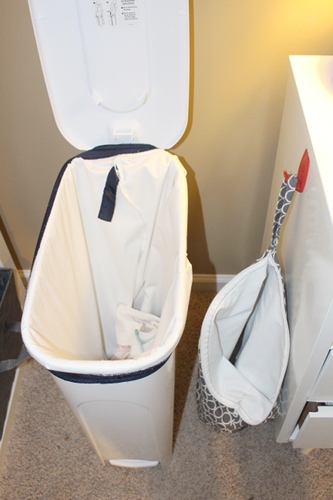
When you’re at home in the nursery, you can set up a dry pail with a special liner that will house your dirty diapers. It basically looks like a garbage can with a removable, washable liner.
Some people prefer a wet pail that is basically a container with water in it that allows the diapers to soak before washing. I never used this because I had zero problems getting the diapers clean using a dry pail system, maybe because my diapers never sat dirty for more than 2 days.
On the go, there are incredible bags that can hold anywhere from 1 to 10 dirty diapers (or bibs, cloth wipes, etc) until you can bring them to be washed. I loved Monkey Foot Designs' bag system; they're cute and the most highly rated for function.
How many diapers do we need?
As far as how many you need, that will again depend on your baby. If you are breastfeeding, it’s likely you’ll have a mess on your hands more often than if you use a soy formula. That’s simply because the baby will digest breast milk faster than any synthetic milk (side note: however, breastfed babies have less smelly poops than formula-fed babies). It also depends on the size and age of your child, and what you eat personally.
Here are some quick estimates on how many diapers you’ll go through in a day:
From 1 to 3 months old: 5-12 diapers/day
From 4 to 6 months old: 5-7 diapers/day
From 7 to 12 months old: 5-6 diapers/day
From 12 to 24 months old: 2-4 diapers/day
So, if you plan to do a wash every day, you can get away with having only about 10 newborn diapers. If you do a wash every other day, you probably need just about 20 for newborns.
As your baby grows, you will need different sized diapers. This is true of both cloth and disposables. In the end, the most you will need is about 36 diapers for your baby, in different sizes and styles.
Do I need different diapers for different aged babies?
In short, maybe. There are several popular cloth diaper brands on the market right now that all for multiple stages of your baby's diapering needs, so you can get away with using them for longer. Usually they have several snaps across the front of the diaper so as your baby grows, you can snap the closures onto different sections.
If you're interested in this, look for "one size" diapers. In my experience they tend to be pretty big for a small to regular sized newborn for the first few months, but then can work well. You might sacrifice a bit of fit as your baby's body changes, but you make up for it by saving some money.
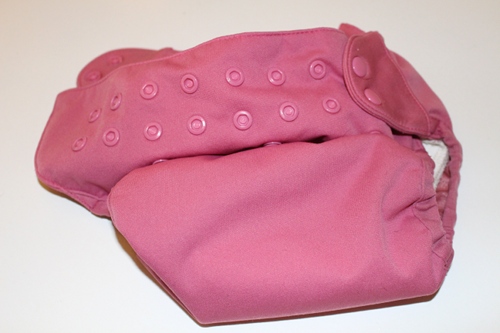
Most of the time you will need to get separate newborn diapers that are built to protect the umbilical cord and accommodate the most-interesting newborn poop. However, some all-in-ones have a middle snap that helps for this purpose.
Also, you might find that certain brands or styles of cloth diapers work better on some of your babies and not the others. If you have a long, lean baby versus a shorter and stockier baby, you might prefer a different style or fit. Many new moms will start out with a sample collection of a few different types of diapers so they can wait to see what works best for their individual baby.
My favorite newborn diapers are Muttaqins, and I really liked Bum Genius Elementals snapped down for newborns as well.
Is cloth diapering more expensive than using disposables?
A lot of this depends on how you spend your money. There is a wide variety of quality and prices available, both for disposables and for cloth. You can’t simply compare the price of one cloth diaper to one disposable and assume it’s more expensive. You obviously reuse the cloth and discard the disposable, so you can get away with having about 30 cloth diapers for one baby.
30 cloth diapers X around $20= around $600 total
However, you can assume that your baby would go through about 7000 disposable diapers in the course of the few years they are wearing diapers. While they range in price, even if you buy in bulk, you will still end up spending an estimate of about $2700 on disposable diapers.
If you stay conservative with your spending on diapers (it can be easy to go overboard because the new cloth ones are so cute!), your cloth diapers will pay for themselves after six months of use. Factor in using them again for a second child, or if you have just one selling them on a diaper swap, and you can save even more.
Are organic diapers better?
I choose organic products whenever it’s financially possible. There are so many unregulated synthetic chemicals being used today that all you can is try to stay away from them. While the term “organic” isn’t as unadulterated as it once was, you can’t spend too much time worrying about whether or not a product is truly chemical-free. You’re too busy for that!
A great resource is The Complete Organic Pregnancy to guide you through the things to avoid while planning for your new addition.
Are disposables bad for the environment?
You bet they are! Even if you just consider how many your baby will go through, you can imagine them rotting away in a trash heap somewhere. 7000 diapers made of plastic and chemicals is hard to fathom, and even harder for the Earth to digest. Add to it the fact that they’re covered in excrement, which leaks into the groundwater, and you have a lot of environmental issues on your hands.

My Digital Download EBook
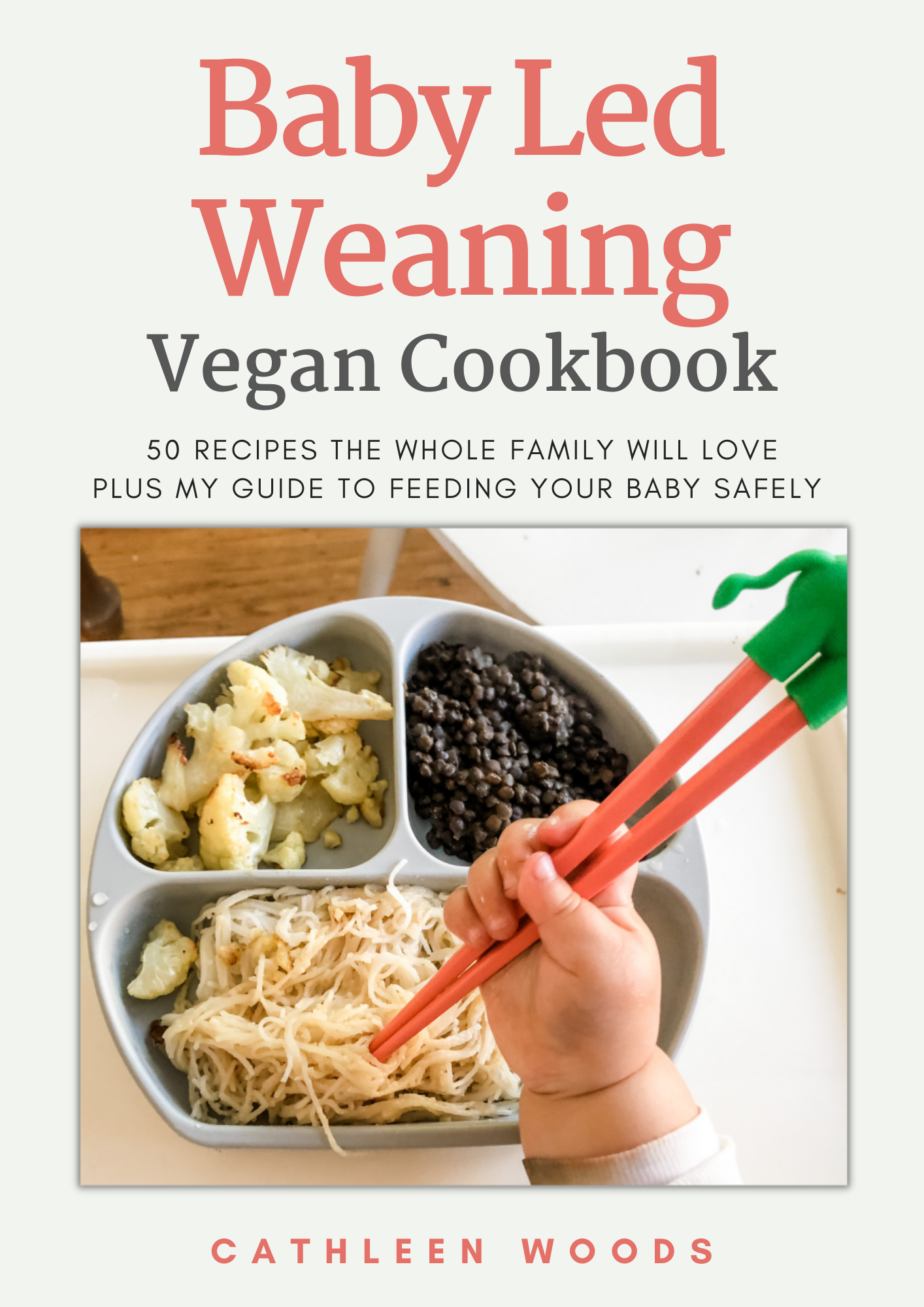
End food battles before they begin by feeding your kids real food right from the start! Get 50+ baby-safe recipes that the whole family will love, plus by guide to safe baby led feeding.
$20
FTC Disclosure: If you make a purchase via a link on this site, I may receive a small commission on the transaction - at no added cost to you. Thank you!


My Favorites
My Favorite Blender: Vitamix
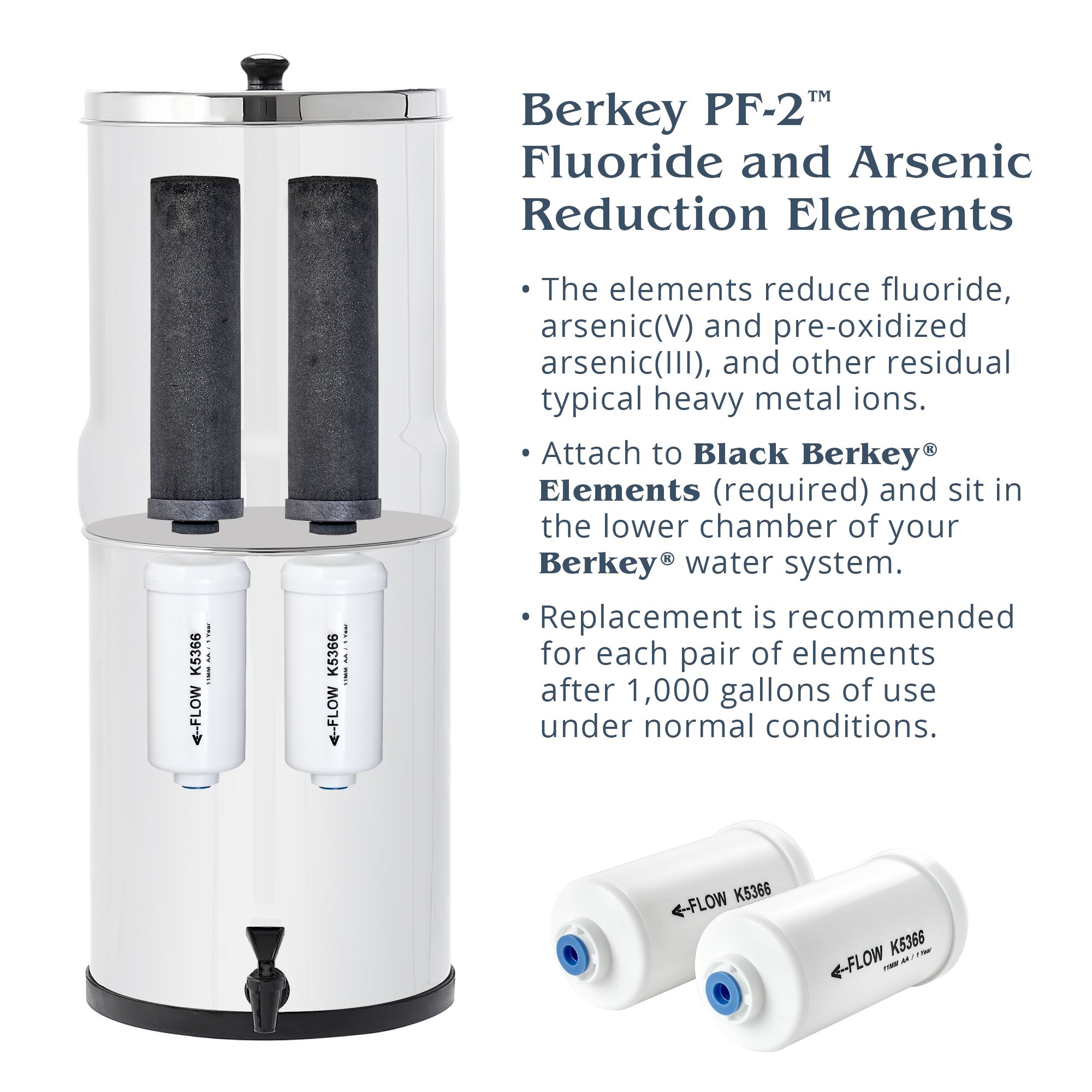
My Favorite Water Filtration System: Berkey

Want to meet the Vegan Momma? It’s me, Cathleen Woods!
I believe some of the most important things you can teach a child are to respect all living beings, to cook food that was grown in the earth, and to understand that our actions have an impact on the environment in which we live. Raising my daughter as a vegan has been a natural process, and as she's grown I am amazed at how well she understands and believes in these basic principles. Vegan-Momma is my way of sharing what I've learned about raising vegans with the world. I hope you love it!
New! Comments
Have your say about what you just read! Leave me a comment in the box below.